

In workplaces across the United Kingdom, employees encounter a wide range of potentially dangerous substances every single day. From cleaning products in office buildings to industrial chemicals on factory floors, the risks posed by hazardous materials are real and must be managed with diligence. Understanding the framework designed to protect workers from these risks is not simply a legal obligation, it is a fundamental part of responsible workplace management.
In brief
- COSHH (Control of Substances Hazardous to Health) is the mandatory regulatory framework in the UK designed to manage and minimize workplace exposure to harmful materials.
- Employers bear the primary legal responsibility to proactively identify risks and implement controls before incidents occur rather than reacting to them.
- The COSHH framework covers a wide range of substances, including chemicals, dusts, and biological agents, though specific hazards like asbestos and lead have their own separate regulations.
- A thorough COSHH assessment involves creating a substance inventory, evaluating exposure levels, and implementing mitigation measures such as ventilation or personal protective equipment.
- Effective compliance requires ongoing staff training to ensure employees understand the risks and safety protocols associated with the materials they handle.
- Workplace safety under COSHH is a dynamic, continuous process that necessitates regular review and updates to risk assessments as working practices change.
What Is COSHH and Why Does It Matter in the Workplace?
COSHH, which stands for Control of Substances Hazardous to Health, is the regulatory framework introduced to manage the risks associated with harmful substances in the workplace. Designed to protect employees from harm, COSHH places a clear duty on employers to assess, control and minimise exposure to hazardous materials. Whether you operate in manufacturing, healthcare, hospitality or any other industry, COSHH compliance is not optional, it is a cornerstone of effective health and safety management.
The core principles behind coshh regulations
At its heart, COSHH is built on the principle of prevention over reaction. Rather than waiting for an incident to occur, the regulations require employers to proactively identify substances that could cause harm and put appropriate controls in place before any damage is done. Workplace safety under COSHH is therefore a continuous process, not a one-off tick-box exercise. Employers bear the primary responsibility for ensuring that all staff are informed of the risks they may face and that robust measures are in place to protect their wellbeing.
The framework also emphasises the importance of employee safety training. Simply having policies on paper is not sufficient; workers must genuinely understand the nature of the substances they handle, the potential effects on their health, and the steps they should take to protect themselves. This knowledge transforms compliance from a bureaucratic requirement into a practical, life-saving habit.

Which hazardous substances fall under coshh?
COSHH covers a broad spectrum of substances, including chemicals, dusts, vapours and biological agents. However, it is worth noting that certain materials (such as asbestos, lead and radioactive substances) fall outside the scope of COSHH and are governed by their own separate regulatory regimes. For everything else, the regulations provide a comprehensive structure for substance hazard control and occupational health protection.
How to Carry Out a COSHH Assessment and Protect Your Workforce
A COSHH assessment is the practical tool through which employers identify and mitigate the risks related to harmful substances in their workplace. Far from being a burdensome administrative task, a well-conducted assessment is one of the most valuable investments a business can make in the long-term health of its workforce.
Step-by-Step Approach to Identifying and Controlling Risks
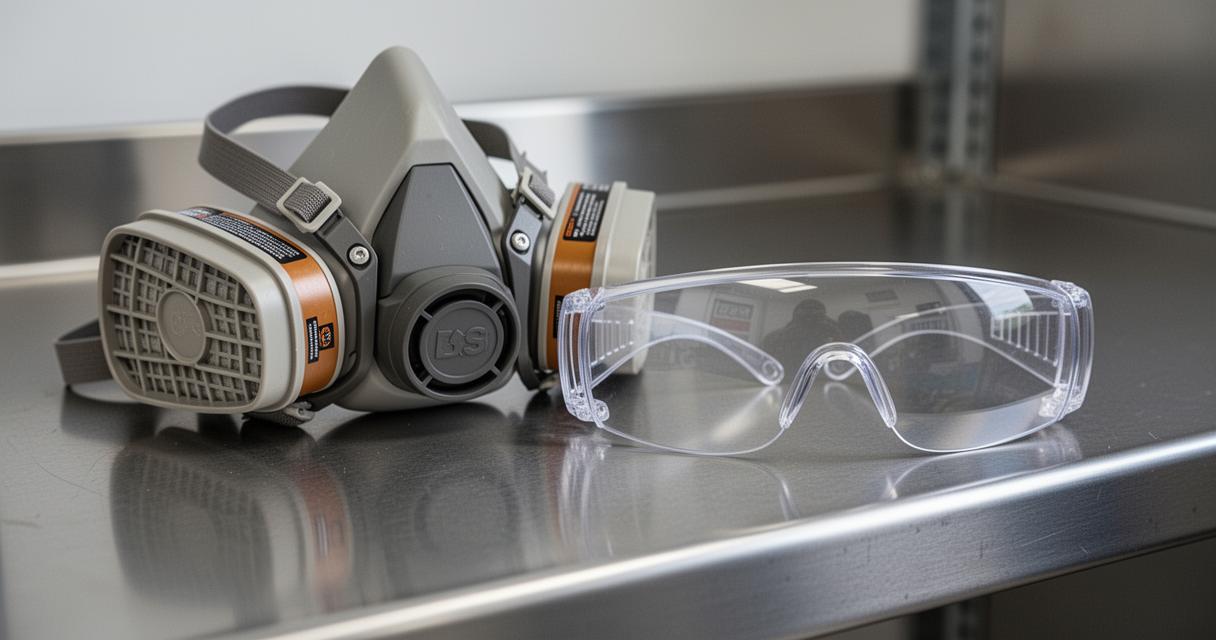
The risk assessment process under COSHH typically begins with a thorough inventory of all substances used or produced in the workplace. Once these materials are identified, employers must evaluate the level of exposure workers may experience and determine whether existing controls are adequate. Where gaps are found, additional measures (such as improved ventilation, the provision of personal protective equipment, or the substitution of a hazardous substance for a safer alternative) must be implemented promptly.
Effective workplace risk mitigation does not end with the initial assessment. Controls must be regularly reviewed and updated to reflect any changes in working practices, new substances introduced into the environment, or emerging guidance on chemical safety. This dynamic approach to safety management is what distinguishes genuinely compliant organisations from those merely performing the minimum required by law.

Training, Monitoring and Maintaining a Safe Working Environment
Beyond the assessment itself, compliance training plays a vital role in sustaining a safe working environment. Employees who receive thorough, up-to-date training on the hazards they face are far better equipped to make safe decisions in their day-to-day roles. Regulatory compliance in this area is therefore inseparable from a culture of ongoing learning and vigilance.
Health monitoring may also be required in certain circumstances, particularly where workers are exposed to substances known to cause long-term health effects. By keeping accurate records of assessments, controls, training and monitoring activities, employers demonstrate their commitment to workplace health and create an invaluable audit trail should questions ever arise. Ultimately, COSHH is not merely a set of safety regulations to be satisfied on paper, it is a living framework that, when properly embedded into everyday working life, genuinely safeguards the people who rely on it.