
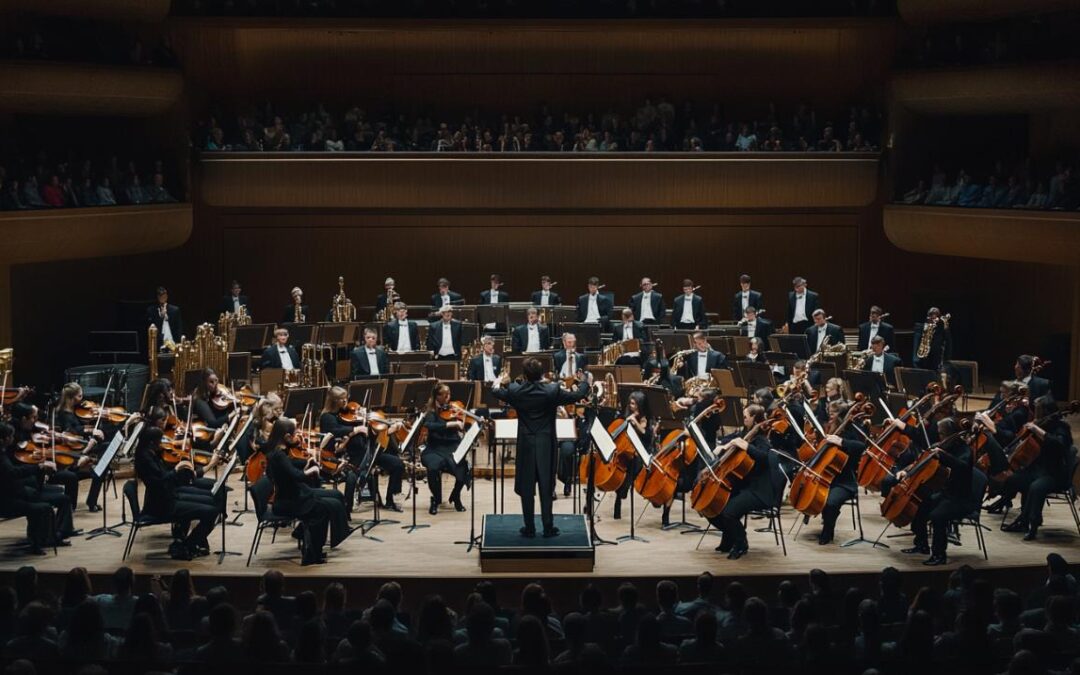
Behind every captivating orchestral performance lies a complex web of coordination, leadership and strategic planning that most audiences never witness. The seamless flow of music that fills a theatre is not merely the result of talented musicians but the culmination of months of meticulous preparation, team management and visionary leadership. Understanding how an orchestra operates behind the scenes reveals the intricate balance between artistic excellence and business acumen, where training programmes and leadership principles converge to create an unforgettable experience for clients and children alike.
The Art of Team Management: Building a Harmonious Orchestra Company
Orchestral management resembles a finely tuned instrument where every component must work in perfect synchrony. The foundation of this harmony begins with strategic training initiatives that prepare musicians and management positions for the demands of professional performance. At organisations such as the London Philharmonic Orchestra, leadership development extends far beyond technical musical proficiency. The team includes not only performers but also administrators, outreach coordinators and technical staff who collectively ensure that every concert runs smoothly from headquarters to the final bow.
Strategic Training Programmes for Musicians and Management Positions
The cultivation of musical excellence requires continuous investment in education and professional development. Many orchestras have embraced comprehensive training programmes that mirror the rigour of executive MBA programmes offered by institutions like IMD, which focus on leadership, digital transformation and sustainable management. For musicians, this means mastering baton techniques, deepening score analysis abilities and enhancing aural skills through workshops and masterclasses led by renowned conductors. These sessions often take place across multiple venues in England, Scotland, Wales and Northern Ireland, ensuring accessibility for rising talent regardless of location.
Training extends beyond the artistic realm into the operational aspects of running a successful orchestra company. Management positions within orchestras demand a unique blend of cultural understanding and business acumen. Staff members learn to navigate price structuring, policy development and confidentiality protocols whilst maintaining the artistic integrity that defines the organisation. The Foyle Future Firsts programme exemplifies this commitment to nurturing new talent, offering bursaries and honorarium payments for specific projects, with applications for the coming year now open. Such initiatives ensure that the next generation of musicians and administrators receives the support needed to thrive in an increasingly competitive landscape.
Leadership Principles That Transform Individual Performers into a Cohesive Team
Leadership within an orchestra transcends the traditional image of a conductor wielding a baton. Effective management requires fostering trust among orchestra members through open communication, making swift decisions under pressure and resolving conflicts that inevitably arise within any creative ensemble. Principal conductors like Edward Gardner and principal guest conductors such as Karina Canellakis exemplify how visionary leadership inspires musical excellence whilst nurturing a collaborative spirit among performers.
The comparison between orchestral leadership and business management reveals striking parallels. Just as executives participating in programmes like Orchestrating Winning Performance learn to unite diverse sectors through shared vision, conductors must harmonise individual talents into a unified artistic statement. This leadership approach emphasises collaboration over hierarchy, recognising that every musician contributes to the collective success. Team Challenge Company offers similar philosophies through their musical team-building experiences, where participants engage in activities like Orchestrate, Crescendo and Beatswork to develop change management, creativity and morale within corporate settings.
Beyond the theatre: how modern orchestra services create unforgettable client experiences
Contemporary orchestras have expanded their reach far beyond traditional concert halls, embracing diverse formats and audiences to remain relevant in a digital age. The evolution of orchestra services reflects a broader understanding that music can serve as a powerful tool for community engagement, education and social impact. By tailoring programmes to specific demographics and leveraging digital software solutions, orchestras create bespoke experiences that resonate with clients ranging from corporate partners to families with children.
Tailoring Musical Programmes for Children and Family-Oriented Experience Offerings
Engaging younger audiences represents a critical priority for orchestras seeking to cultivate the next generation of music lovers. Family-oriented programmes transform the concert experience from passive observation into interactive participation. Orchestras have developed initiatives that invite children to explore instruments, meet musicians and even conduct portions of a piece under guidance. These experiences demystify classical music, making it accessible and exciting for young minds.
Educational outreach extends into schools and communities, where orchestras offer learning resources, streamed concerts on platforms like Marquee TV and partnerships that bring live music to venues outside major cultural hubs. The London Philharmonic Orchestra's work across London, Brighton, Eastbourne, Saffron Walden and Glyndebourne demonstrates this commitment to geographical inclusivity. By offering diverse formats including in-person, hybrid and virtual experiences, orchestras ensure that distance and circumstances do not prevent access to high-quality musical offerings.
The Manager's Role in Coordinating Social Outreach and Community Partnerships
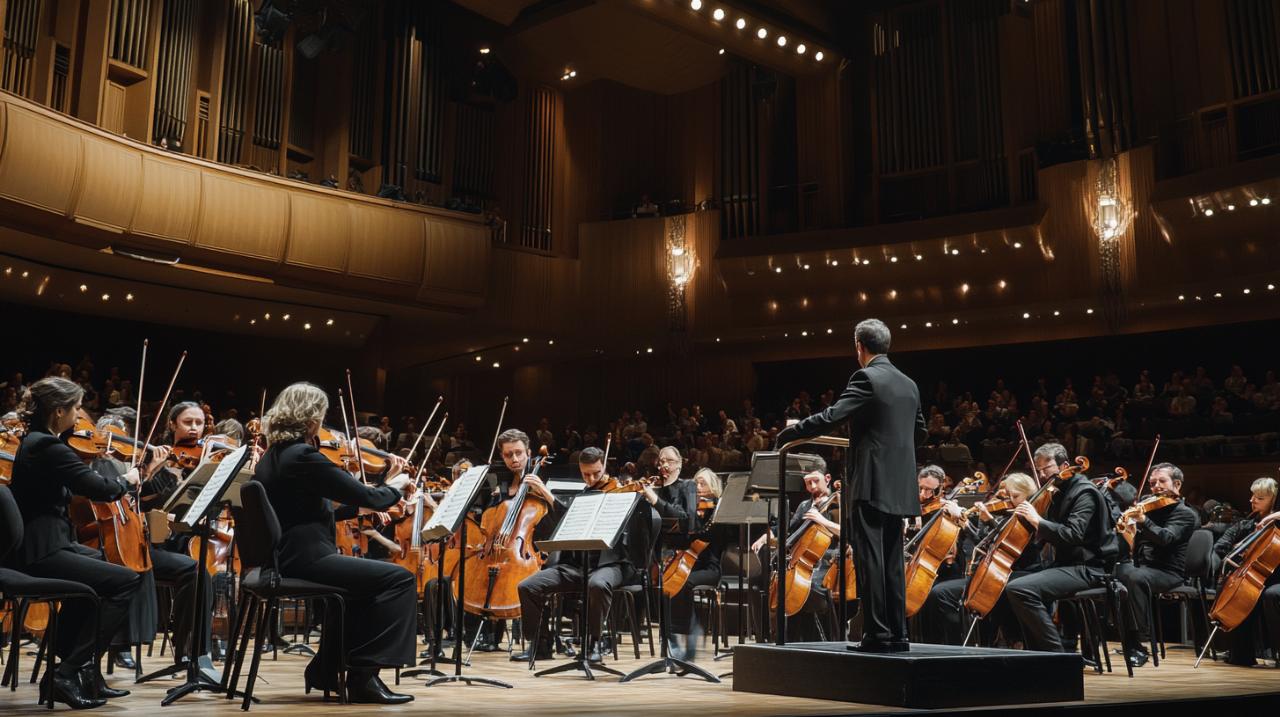
Behind every successful outreach programme stands a dedicated manager who coordinates logistics, secures funding and builds relationships with community organisations. These professionals navigate complex policy frameworks, manage bursary schemes and ensure that charitable initiatives align with the orchestra's mission. The administrative team at the London Philharmonic Orchestra, operating from their headquarters at Albert Embankment in London, exemplifies the multifaceted nature of modern orchestra management.
Social impact initiatives require careful planning and sustained commitment. Managers work with corporate partnerships to secure sponsorship whilst maintaining artistic independence. They develop relationships with charities, schools and local authorities to identify opportunities where music can serve as a catalyst for positive change. The role demands excellent communication skills, an understanding of diverse stakeholders and the ability to balance artistic aspirations with financial realities. By fostering these partnerships, orchestras extend their influence beyond the concert hall, becoming integral parts of the social fabric within their communities.
The business symphony: from headquarters operations to digital software solutions
Running a professional orchestra involves navigating a complex business landscape where artistic vision must coexist with financial sustainability. From headquarters operations to digital innovation, orchestra management requires expertise in areas that extend far beyond music. Understanding price structures, developing clear policies and embracing technology are essential components of modern orchestral administration.
Price Structuring, Policy Development, and Confidentiality Protocols for Professional Orchestras
Determining ticket pricing represents a delicate balance between accessibility and revenue generation. Orchestras must consider various factors including venue capacity, production costs and audience demographics when establishing price points. Many organisations implement tiered pricing structures that offer discounts for students, seniors and families, ensuring that financial barriers do not prevent attendance. Membership programmes provide another revenue stream whilst fostering loyalty among dedicated patrons.
Policy development encompasses a wide range of operational considerations. Clear protocols govern everything from audition procedures to conflict resolution, ensuring fairness and transparency within the organisation. Confidentiality policies protect sensitive information about donors, corporate partners and personnel matters. As registered charities, orchestras must adhere to regulatory requirements whilst maintaining public trust. The London Philharmonic Orchestra, registered under charity number 238045 and company number 357059, exemplifies the dual legal status many orchestras maintain to fulfil both artistic and commercial functions.
Navigating the Year Ahead: Strategic Planning for Consecutive Performances and Web Presence
Strategic planning involves mapping out an entire season of consecutive performances months or even years in advance. Managers must coordinate schedules with venues, negotiate contracts with guest artists and curate programmes that balance audience favourites with contemporary works. This forward-thinking approach requires anticipating trends, understanding audience preferences and maintaining flexibility to adapt when circumstances change. The World Competitiveness Ranking, which now covers sixty-nine global economies including recent additions like Kenya, Namibia and Oman, demonstrates the importance of strategic positioning in any competitive field, including the cultural sector.
Digital transformation has revolutionised how orchestras connect with audiences. A robust web presence extends beyond basic information to include ticket purchasing capabilities, streamed content and interactive resources. Software solutions streamline administrative tasks, from inventory management to donor relations, allowing staff to focus on mission-critical activities. Orchestras increasingly offer virtual experiences, recognising that digital platforms can complement rather than replace live performances. By embracing these technologies, organisations ensure their relevance in an era where audiences expect seamless integration between physical and digital experiences.
The intricate world of orchestra management reveals that creating the perfect musical experience requires far more than technical proficiency with instruments. It demands visionary leadership, strategic planning, community engagement and operational excellence. From training programmes that develop both artistic and administrative talent to digital innovations that expand reach, modern orchestras function as complex organisations where every element contributes to the final product audiences experience. Whether through bursary schemes that support rising talent, partnerships that bring music to underserved communities or meticulous attention to policy and confidentiality, the behind-the-scenes work ensures that when the lights dim and the first note sounds, everything aligns to create moments of transcendent beauty.